The Vladimir Potanin Foundation has published its 2025 Annual Report, presenting the year's key achievements, major milestones, programme results, financial performance, and information on the Foundation's governance. This year's report places particular emphasis not only on the results achieved during the reporting period but also on the long-term changes made possible through the combination of financial and non-financial support.
This year's report is organised around the Foundation's key areas of work, including higher education, culture and creative industries, philanthropy, social sports, emerging technologies, professional development, and other fields. This approach provides a broader context for understanding how the Foundation's initiatives take shape, evolve, and contribute to lasting change.
The report also presents the findings of the Foundation's impact study covering the period from 2021 to 2025. The study examines the long-term changes driven by the Foundation's work, including the development of professional practices and communities, stronger organisations, and the wider adoption of successful approaches across education, culture, philanthropy, and social sports.
As in last year's report, key indicators are presented over a three-year period. This applies not only to financial data but also to competition statistics, grant amounts, educational programmes, digital services, human resources, and other areas of the Foundation's work. Presenting data in this way makes it possible to see both the results of the reporting year and the longer-term trends shaping the Foundation's development.
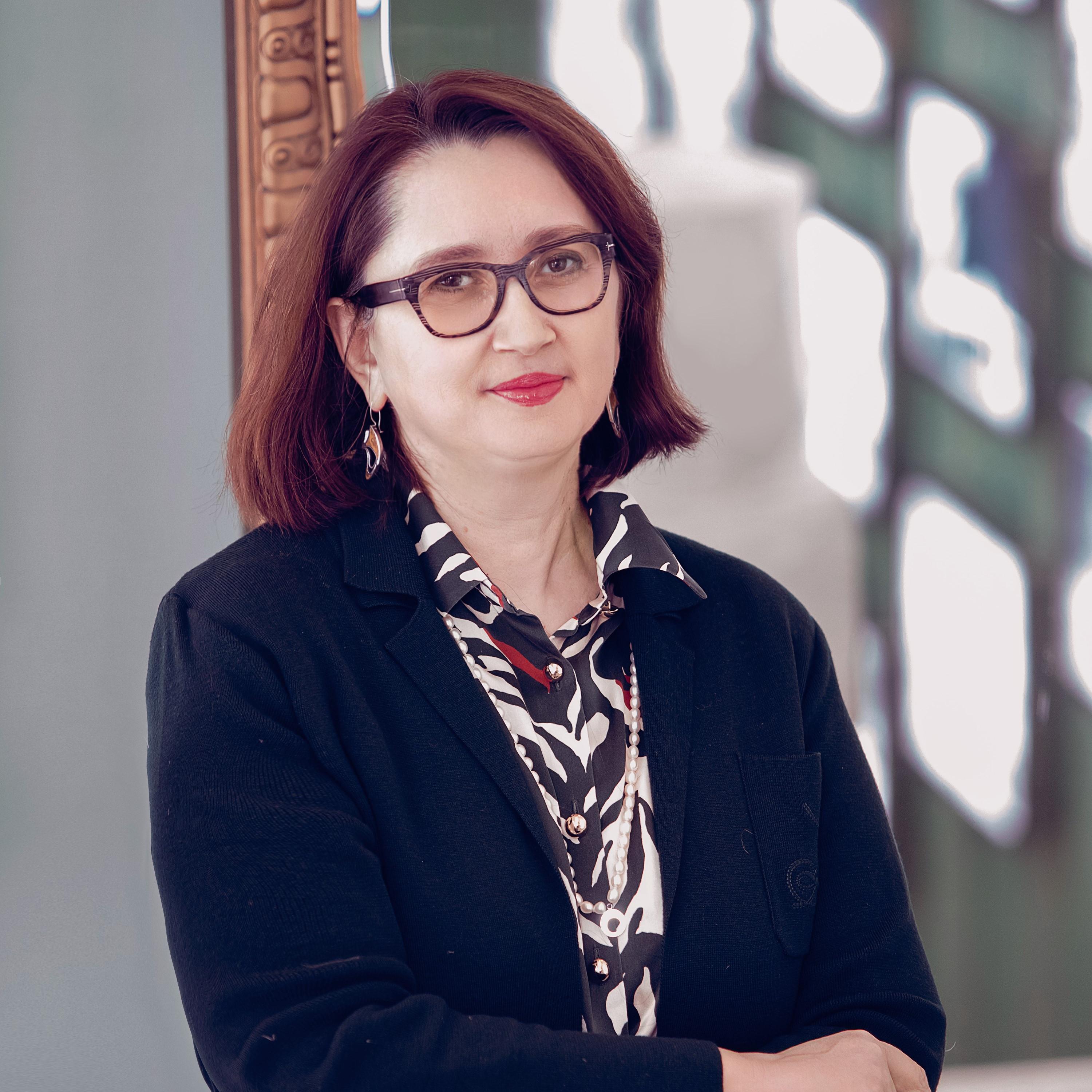
Oksana Oracheva, General Director of the Vladimir Potanin Foundation:
"One of the defining themes of the year was emerging technologies and artificial intelligence. We explored their role in education, culture, philanthropy, and social sports, helped professionals master new tools, and worked with our community to identify practical ways of applying them. This included the ABC_AI Conference, organised in partnership with Skoltech; ITMO University's educational programme for recipients of our grants; and the Vmeste AI (Together AI) lecture series, developed jointly with TASS. The strong interest these initiatives attracted showed that new technologies are becoming an integral part of everyday professional practice and call for thoughtful, responsible discussion.
Our public engagement also continued to expand. The Center for Philanthropy Development held its first conference, Philanthropy: Science and Practice. Another important milestone was the Mne eto vazhno (It Matters to Me) Practice Lab, which brought together people leading their own social initiatives. We would also like to highlight the exhibition Rules of the Game: How Sport Has Shaped Culture, presented as part of the conference Sport and Society: Rules of the Game. The exhibition offered a fresh perspective on sport as an important cultural and social phenomenon and engaged a broad audience in this conversation.
Throughout the year, we continued to strengthen the Foundation's community by supporting meetings among programme participants, expanding their involvement in our events, and launching the #Mynasvyazi (#WeStayConnected) competition, designed to strengthen horizontal connections and create new opportunities for collaboration between people and organisations from different regions and professional fields.
Throughout the year, we saw projects become focal points for like-minded people, local experience spread beyond its place of origin, and first collaborative efforts grow into long-term initiatives. The ability to bring together people, knowledge, and resources remains the Foundation's greatest strength and the key driver of sustainable change."
Alongside statistics and quantitative indicators, the report features research findings, annual beneficiary survey results, expert commentary, stories from programme participants, and examples of supported projects. Together, they offer a fuller picture of the changes made possible through the Foundation's work and provide deeper insight into its long-term social impact.
The full version of the 2025 Annual Report is available on the Foundation's website.
 Logo
Logo